
rechargeable vanity mirror
Understanding Internal Thread Gauges Importance and Application Internal thread gauges are essential tools used in various industries to ensure that threaded components meet specific standards and specifications. These gauges are crucial for the quality control of parts that have internal threads, such as pipes, bolts, nuts, and other fasteners used in mechanical systems. This article aims to explore the significance, types, and applications of internal thread gauges. What is an Internal Thread Gauge? An internal thread gauge is a precision instrument designed to measure and inspect the dimensions and functional characteristics of internal threads within holes. These gauges are typically used to ensure that the internal threads are cut to the correct size and pitch, conforming to specific standards such as those established by the American National Standards Institute (ANSI) or the International Organization for Standardization (ISO). Types of Internal Thread Gauges There are several types of internal thread gauges, each designed for specific applications and measurements 1. Go/No-Go Gauges This type of gauge consists of two components a Go gauge that should fit into the internal thread, and a No-Go gauge that should not fit. The proper functioning of these gauges ensures that the threads are within tolerance. If the Go gauge does not fit, or if the No-Go gauge fits, the threaded hole is considered out of specification. 2. Thread Plug Gauges These gauges are similar to go/no-go gauges, but they are utilized to check the thread depth and pitch diameter with more precision. This is particularly important in applications with high-stress components where even minor discrepancies can lead to catastrophic failures. internal thread gauge 3. Thread Pitch Gauges These gauges allow for the measurement of the pitch of the internal threads. By aligning the gauge with the threads, users can identify the thread pitch, which is crucial for ensuring compatibility with mating components. Importance in Manufacturing The use of internal thread gauges is vital for maintaining quality control in manufacturing processes. Ensuring proper thread dimensions is crucial for - Safety and Reliability Incorrectly sized threads can lead to failures in mechanical systems, which may pose safety risks. - Interchangeability Standardized threads ensure that components can fit together seamlessly, reducing the likelihood of production errors. - Cost-Efficiency By catching thread defects early in the manufacturing process, companies can save on costs associated with reworking or replacing defective parts. Applications Internal thread gauges are widely used across various industries, including automotive, aerospace, oil and gas, and manufacturing. For instance, in the automotive industry, precision-engineered components require accurate threading to ensure functionality and safety. In the aerospace sector, where weight and reliability are critical, the use of precise internal thread gauges helps maintain the integrity of components under stress. Conclusion In summary, internal thread gauges are indispensable tools in quality control, ensuring that internal threads meet required specifications. Their use across multiple industries underscores their importance in enhancing safety, reliability, and efficiency in manufacturing processes. By understanding and utilizing these gauges effectively, manufacturers can significantly improve product quality and performance.
about
rechargeable vanity mirror
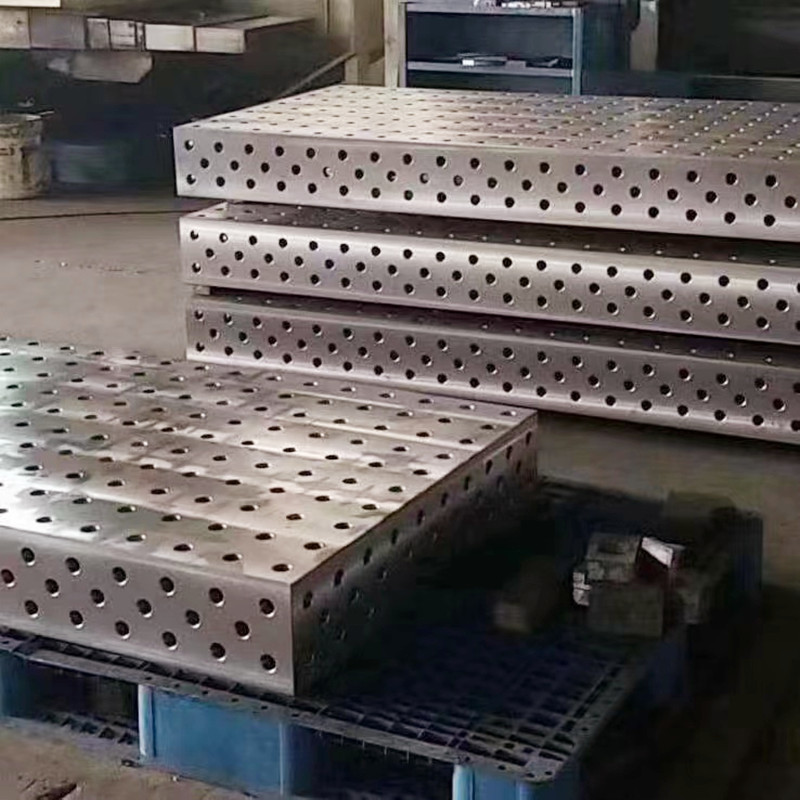
Plain ve Block Farklar ve Kullanım Alanları Günümüzde mimarlık ve inşaat sektöründe sıkça karşılaşılan terimlerden biri olan plain ve block, yapı malzemeleri ve teknikleri arasında önemli bir yer tutar. Bu terimler, yapıların tasarımında ve inşaatında kullanılan farklı yapı elemanlarını ifade eder. Bu yazıda, plain ve block arasındaki farkları, avantajlarını ve hangi durumlarda hangi tipin tercih edilmesi gerektiğini inceleyeceğiz. Plain Nedir? Plain terimi, genellikle düz ve basit şekilli, genellikle işlenmemiş malzemeleri ifade eder. Bu tür malzemeler, genellikle daha az işçilik gerektirir ve dolayısıyla daha düşük maliyetli olabilir. Örneğin, düz beton levhalar veya daha az işlenmiş ahşap parçaları, plain kategorisine girebilir. Plain malzemelerin kullanımı, genellikle minimalist tasarımlar ve sade yapılar için idealdir. Düz yüzeyler, zaman zaman modern mimaride tercih edilir çünkü temiz ve basit çizgiler sunar. Ayrıca, bu tür materyallerin bakımı ve onarımı genellikle daha kolaydır. Ancak, placeların görsel cazibesi bazen sınırlı olabilir ve daha fazla estetikk arayan projelerde yeterli olmayabilir. Block Nedir? Block terimi ise genellikle daha büyük, genellikle belirli bir şekil veya boyutta kesilmiş ve işlenmiş yapı elemanlarını ifade eder. Bloklar, tuğla, beton blok veya taş gibi farklı malzemelerden yapılabilir. Bu yapı elemanları, genellikle duvar inşaatında ve temel yapıların oluşturulmasında kullanılır. Block malzemelerin avantajı, daha dayanıklı ve sağlam yapılar oluşturma kapasiteleridir. plain v block Blok yapılar, genellikle daha yüksek yapısal bütünlük sunar. Bu nedenle, özellikle yüksek katlı binalar veya büyük yapılar için tercih edilirler. Ayrıca, blok malzemeler, izolasyon özellikleri nedeniyle enerji verimliliği sağlayabilir. Bu da maliyetleri düşürme ve sürdürülebilir yapı tasarımına katkı sağlama açısından önemlidir. Plain ve Block Arasındaki Farklar Plain ve block arasındaki en belirgin fark, şekil ve işlenme düzeyidir. Plain malzemeler genellikle daha basit ve düz şekillere sahiptir, daha az işlenmiş ve daha düşük maliyetlidir. Diğer yandan, block malzemeler, genellikle belirli bir şekil ve boyutta kesilmiş ve işlenmiş yapısal elemanlardır, bu da onların daha yüksek dayanaklılık ve estetik sunmasına olanak tanır. Kullanım alanları da farklılık gösterir. Plain malzemeler, genellikle dekoratif amaçlarla veya basit yapılar için tercih edilirken, block malzemeler daha karmaşık ve dayanıklı yapılar için idealdir. Bu nedenle, mimarlar ve inşaat mühendisleri, projelerinin gereksinimlerine bağlı olarak hangi tipi kullanacaklarına karar vermekte zorlanabilirler. Sonuç Plain ve block malzemeleri, mimaride farklı ihtiyaçlara ve tasarım anlayışlarına hitap eden önemli yapı elemanlarıdır. Hangi malzemenin kullanılacağı, projenin bütçesi, estetik beklentileri ve teknik gereksinimleri doğrultusunda belirlenmelidir. Hem plain hem de block malzemelerin avantajları ve dezavantajları göz önünde bulundurulduğunda, doğru tercihler yapmak, sağlam, estetik ve sürdürülebilir yapılar oluşturmak için hayati öneme sahiptir.
-

High quality industrial productsagement

High quality industrial products
View Details -

Meet the diverse needs of customers

Meet the diverse needs of customers
View Details -

Strict quality control

Strict quality control
View Details -

Top raw materials

Top raw materials
View Details -

Trusted supplier

Trusted supplier
View Details
Our application



news and information
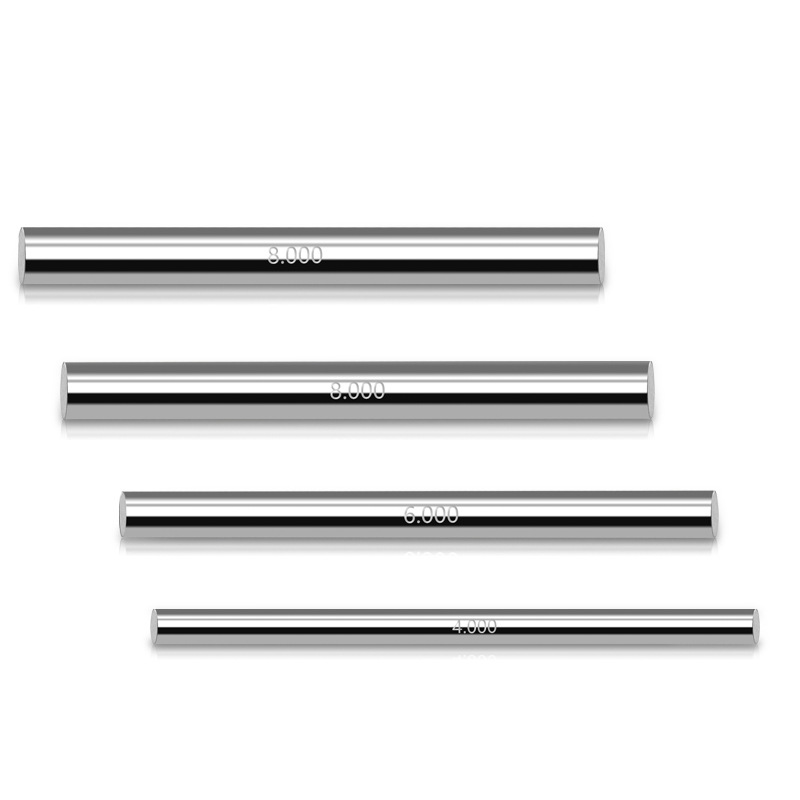
Using a Small Hole Gauge for Precision Measurement and Inspection of Small Orifices
The Importance of Small Hole Gauges in Measurement Small hole gauges are precision instruments used
water pressure check valve
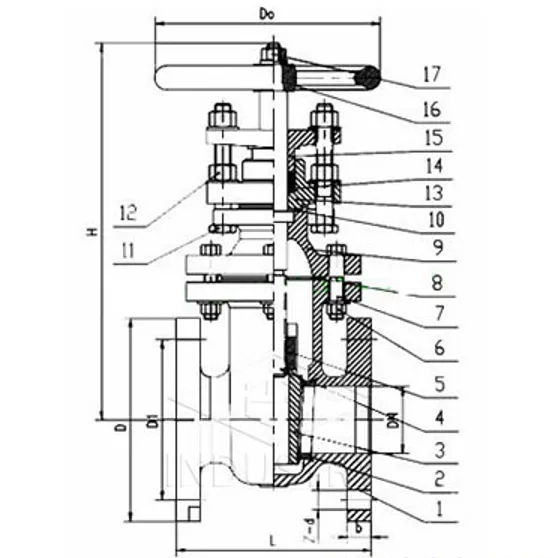
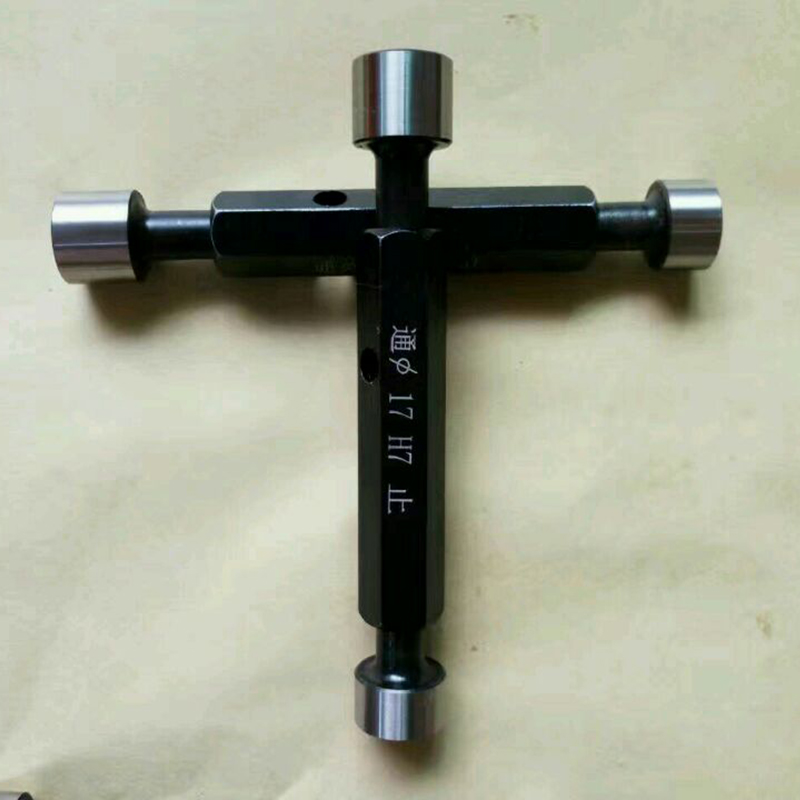
Understanding Water Pressure Check Valves Importance, Functionality, and Maintenance Water pressure

Using Taper Plug Gauge for Precision Inspection and Measurement in Manufacturing Processes
Understanding Taper Plug Gauges Their Purpose and Application in Quality Control Taper plug gauges a
 English